The Short Answer: No Permit Required for Standard Refinishing

Cosmetic refinishing of existing hardwood floors, including full sand-and-finish, screen and recoat, and board staining, does not require a building permit in Dubuque, Iowa or in most Iowa municipalities. The Iowa Building Code and the City of Dubuque's local ordinances follow the same principle: permits are required for structural work, not for surface maintenance and refinishing.
You do not need to notify Dubuque's Building Services Division before scheduling a standard floor refinishing job. No inspection is required when the work is complete.
When a Permit Might Be Required
Structural Subfloor Work
If the refinishing project requires opening up the floor to repair or replace subfloor material below the hardwood, a building permit may be required. This is uncommon in a straightforward refinishing job, but can come up when a floor has severe water damage that has compromised the subfloor or joists beneath it.
Larger Renovation Projects
If hardwood floor work is part of a larger renovation that includes electrical, plumbing, or structural changes, the entire project may require permits that cover all work being done including the floors. In that scenario, the permit requirement is driven by the other work, not the floor refinishing itself.
Rental Properties and Historic Districts
Rental property owners in Dubuque should be aware that certain renovation activities in rental units can trigger inspections under Dubuque's rental housing code. This is separate from building permits and applies only to rental properties. Homeowners doing work in their own residence are not affected by these rules.
Properties in Dubuque's historic overlay districts should confirm with the city's Historic Preservation Commission whether any notifications are required before performing visible exterior or structural work, but interior floor refinishing is generally not subject to historic preservation review.
Iowa Contractor Registration: What to Verify Before You Hire
Here's the distinction that trips up most Dubuque homeowners. There's no permit for your floor job, and there's also no Iowa trade license for floor refinishing the way there is for plumbing or electrical work. But that does not mean there's nothing to check.
Iowa Code Chapter 91C requires construction contractors who perform more than $2,000 of work in Iowa in a calendar year to register with the Iowa Department of Inspections, Appeals, and Licensing (DIAL). Registration produces a state contractor registration number. It's a low bar, and it's deliberately not a competency test, but it's a real filter. A contractor who can't produce a registration number is either brand new, working under the threshold, or operating outside the rules, and all three are worth knowing before you hand over a deposit.
Out-of-state contractors working in Dubuque are a specific case worth attention, because the tri-state geography means plenty of crews cross over from Illinois and Wisconsin for work. Out-of-state contractors registering in Iowa are generally required to post a bond, and Iowa also has withholding requirements for out-of-state contractors on larger projects. If a crew is driving over from Platteville or Galena to do your floors, ask about Iowa registration specifically rather than assuming their home-state credentials carry across.
What to ask for, in order of how much it actually protects you:
- Proof of general liability insurance, as a certificate issued directly by the insurer naming your address. Not a photocopy the contractor hands you. Sanding equipment and solvent-based finish in a hundred-year-old Cathedral Hill house is a genuine fire and damage exposure, and this is the document that matters most.
- Workers compensation coverage if the contractor has employees on site. Without it, an injury on your property can become your problem.
- Iowa contractor registration number under Chapter 91C.
- EPA lead-safe certification if your home was built before 1978 and any painted surface will be disturbed. See the next section.
- A written scope that names the species, the grit sequence or at minimum the number of sanding passes, the finish product by brand and line, and the number of coats. "Sand and finish the floors" is not a scope, and it's how two quotes that look $800 apart turn out to be for completely different jobs.
The Rule That Does Apply: Lead-Safe Renovation
No building permit is required for your floors. But there's a federal rule that genuinely does apply to a large share of Dubuque work, and it gets ignored far more often than it should.
The EPA Renovation, Repair and Painting rule covers contractors who disturb painted surfaces above a small area threshold in housing built before 1978. Iowa runs its own EPA-authorized version of that program, administered through the state's lead program at the Iowa Department of Inspections, Appeals, and Licensing (DIAL). Contractors doing covered work have to be certified, use lead-safe work practices, contain the work area, and provide you with the EPA lead hazard pamphlet before starting.
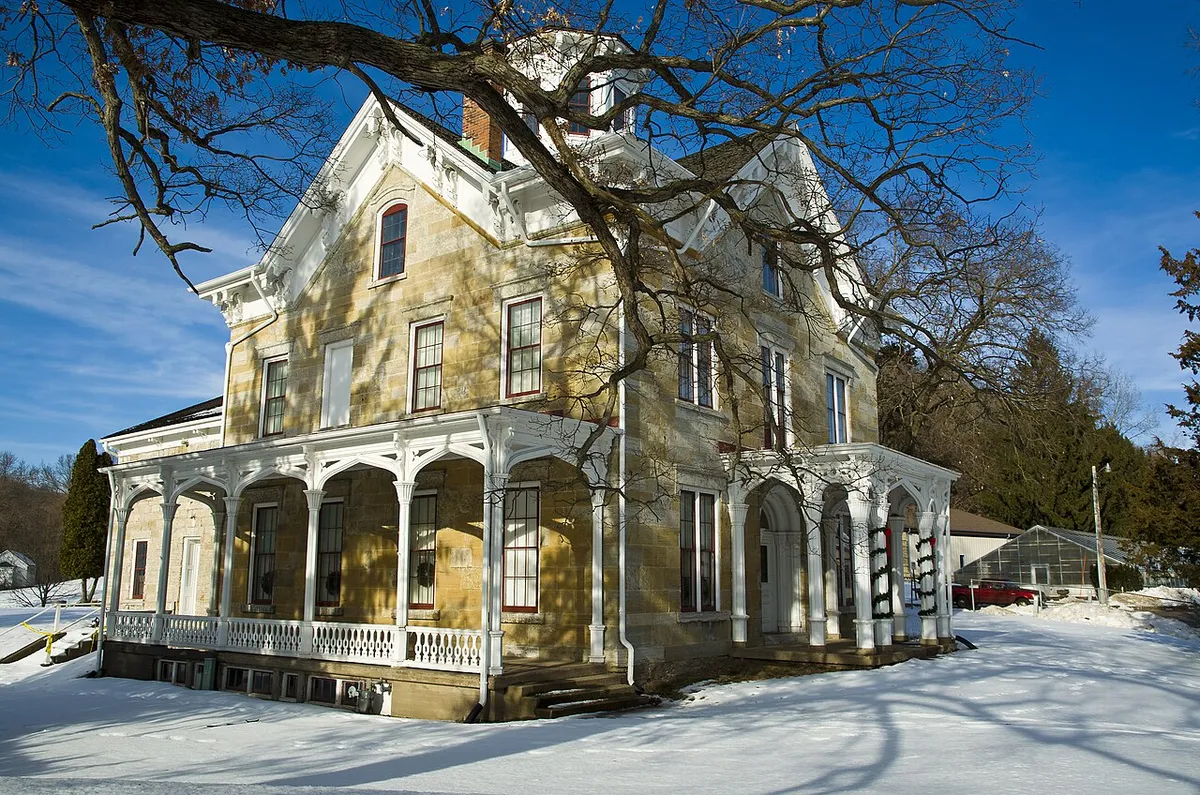
Dubuque's housing stock makes this relevant here far more often than in a newer city. The Cathedral, Jackson Park, Langworthy, and West 11th Street districts are almost entirely pre-1940. The North End and South End workers' housing is largely pre-1940. Even much of the West End predates 1978.
A bare hardwood floor under clear finish is generally not a lead hazard. The surfaces that put a floor job inside the rule are the painted ones nearby: floor borders painted around a rug field, painted thresholds and door saddles, baseboards that an edger will run against, and stair risers. If a contractor plans to sand any of those and has no answer when you ask about lead certification, that's a meaningful red flag in a pre-1978 Dubuque home, particularly with young children in the house.
You can also test independently. Iowa DIAL maintains a list of certified lead inspectors and risk assessors, and a paint chip or XRF test on the specific surfaces in question costs far less than remediating a house that got contaminated by careless sanding.
Rental Properties and Landlord Obligations in Dubuque
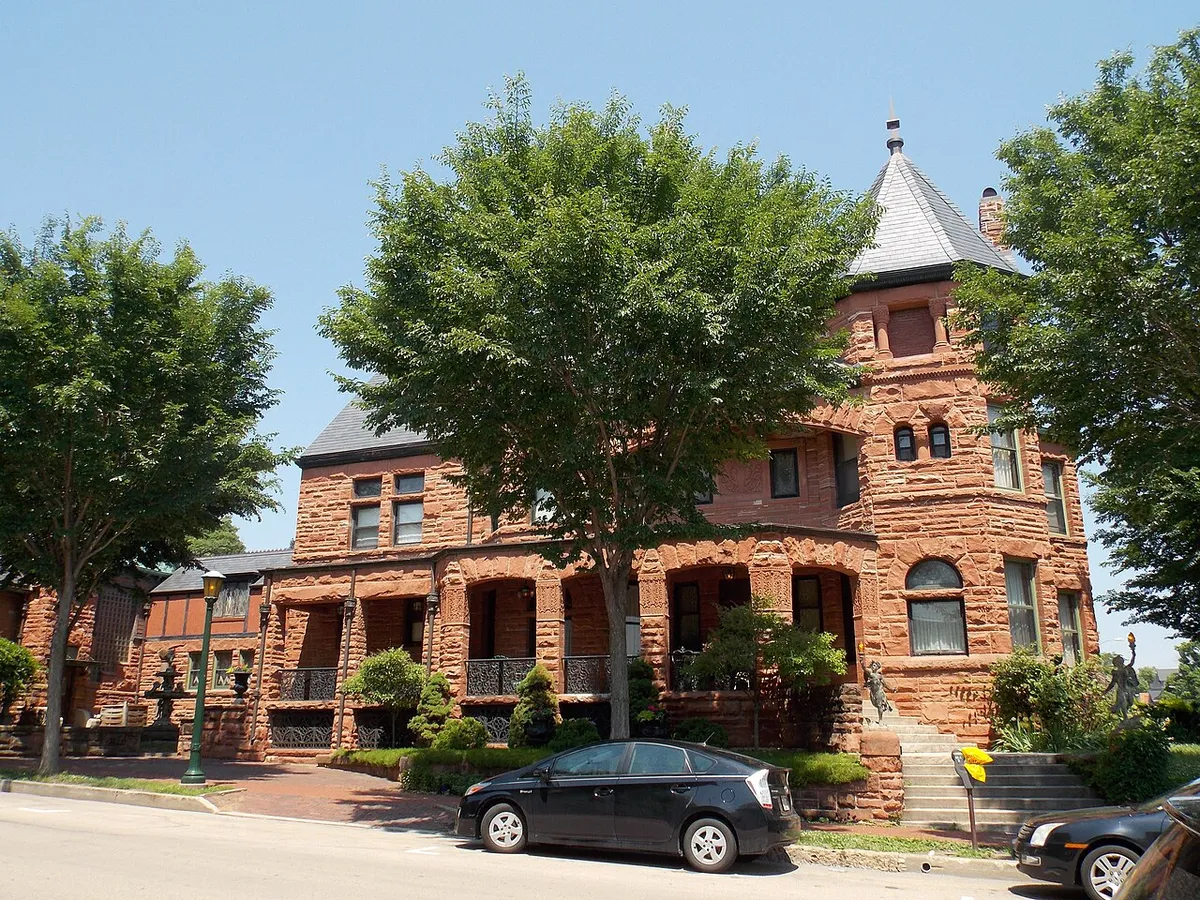
Dubuque operates a rental licensing and inspection program through its Housing and Community Development Department, which is separate from building permits and applies only to rental units. Refinishing floors in a rental does not by itself trigger an inspection, but rental units are subject to periodic inspection on their own cycle, and floor condition can come up under habitability standards if boards are broken, badly cupped, or creating a trip hazard.
The bigger obligation for Dubuque landlords is federal, not local. Pre-1978 rental housing carries lead disclosure requirements to tenants, and renovation work in occupied pre-1978 rentals falls squarely inside the Renovation, Repair and Painting rule, with no homeowner exemption available. A landlord doing the work themselves in their own rental does not get the do-it-yourself exemption that an owner-occupant would, because the exemption only covers work in your own residence.
If you own rental property in the North End, South End, or around the university and you're refinishing between tenancies, the practical answer is to use a lead-certified contractor and keep the documentation. It costs almost nothing extra and it closes off a category of liability that is genuinely expensive when it goes wrong.
Illinois and Wisconsin Rules
For properties in East Dubuque and Galena, Illinois: Illinois state law similarly exempts cosmetic surface refinishing from permit requirements. Jo Daviess County and the municipalities of East Dubuque and Galena do not require permits for floor refinishing.
For Platteville, Lancaster, and other Wisconsin communities in our service area: Wisconsin follows the same general principle. Cosmetic floor work does not require a permit. Structural subfloor work may, depending on the municipality. Wisconsin's Department of Safety and Professional Services does require a Dwelling Contractor certification for contractors who obtain building permits on one and two family dwellings, but because refinishing does not require a permit, that certification requirement is not triggered by floor work on its own.
Lead-safe renovation rules are federal and follow you across all three states. Illinois administers its own authorized lead program through the Illinois Department of Public Health, and Wisconsin through DHS. Whichever side of the river your home sits on, a pre-1978 house with painted surfaces in the work area puts the job inside the same rule.
Frequently Asked Questions
Do you need a permit to refinish hardwood floors in Dubuque Iowa?
No. Cosmetic floor refinishing does not require a building permit in Dubuque, Iowa. Permits are only triggered by structural changes such as subfloor replacement or structural work below the floor.
Do you need a permit for floor refinishing in Iowa?
Iowa state code and local Dubuque ordinances do not require permits for cosmetic surface refinishing. No permit, no inspection, no notification required for standard refinishing work.
When does floor work require a permit in Dubuque?
A permit may be required if the project involves replacing or repairing the structural subfloor or floor joists, or if floor work is part of a larger renovation that includes electrical, plumbing, or structural changes.
Do floor refinishing contractors need a license in Iowa?
Iowa does not issue a trade license specifically for floor refinishing. It does require construction contractors doing more than $2,000 of work in Iowa in a year to register with the Iowa Department of Inspections, Appeals, and Licensing (DIAL) under Iowa Code Chapter 91C, which carries a registration number you can verify. Registration is not the same as a license or a skill test, but an unregistered contractor is one you should ask questions about.
Does lead paint law apply to refinishing floors in an old Dubuque home?
It can. Federal Renovation, Repair and Painting rules cover contractors who disturb painted surfaces in housing built before 1978, and Iowa administers its own authorized version of that program. Most Dubuque homes in Cathedral Hill, Langworthy, the North End, and the South End predate 1978. Bare wood floors are usually fine, but painted floor borders, thresholds, baseboards, and stair risers put the job inside the rule.
Does a historic district designation in Dubuque affect interior floor work?
No. Dubuque's historic preservation review applies to exterior alterations visible from the public way, not to interior finishes. You can refinish, stain, or replace floors inside a home in the Cathedral, Jackson Park, Langworthy, or West 11th Street districts without preservation review. Confirm with Dubuque Inspection and Construction Services if your project also touches the exterior.
Bottom Line for Dubuque Homeowners
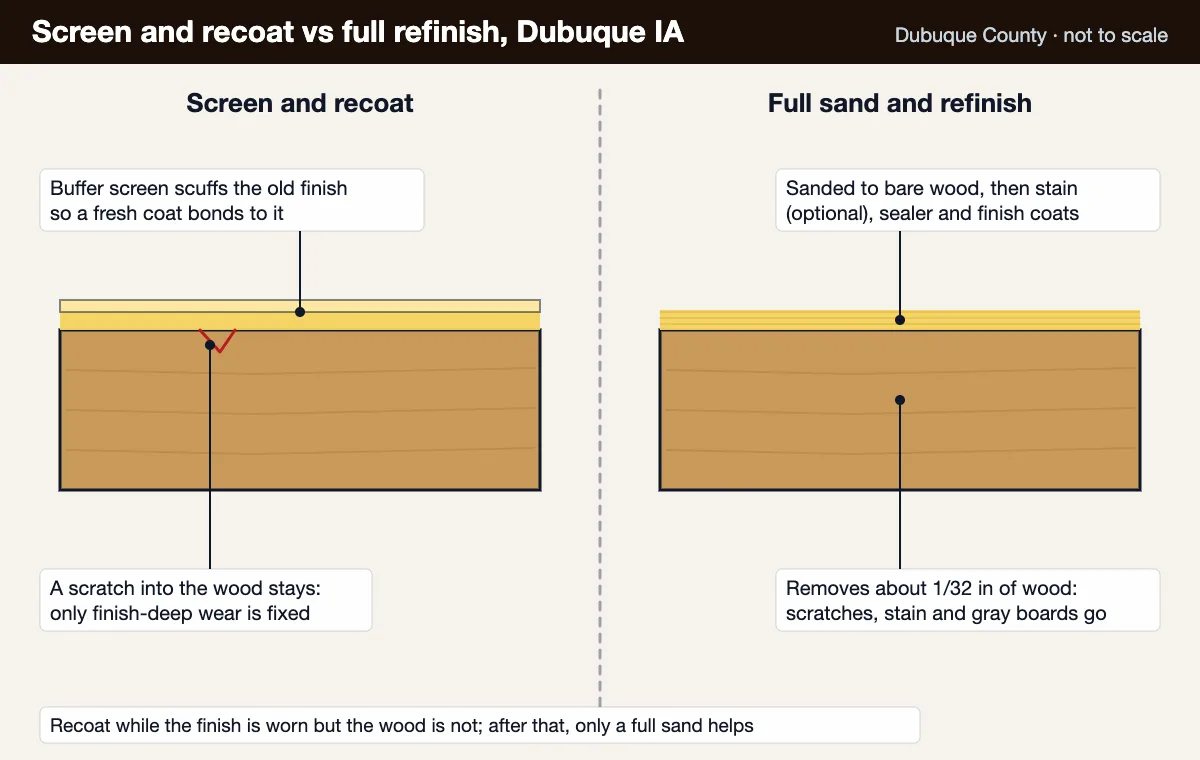
If you're having your hardwood floors refinished, sanded, or recoated, you do not need a permit. Schedule the work, have it done, and enjoy your floors. No building paperwork required.
What you should do instead of chasing a permit is spend that same ten minutes verifying the contractor: a certificate of liability insurance issued directly by their insurer, an Iowa contractor registration number under Chapter 91C, lead-safe certification if your home predates 1978, and a written scope that names the finish product and the number of coats. Those four items protect you far more than any permit would have.
The one situation genuinely worth a phone call to the city is a floor that flexes, bounces, or has a soft spot. That points at the subfloor or the joists rather than the surface, and structural repair below the floor is exactly where the permit line sits. A careful refinisher flags it during the walk-through, because it is far better found before sanding than after.
If you're uncertain about a specific situation, visit Dubuque Inspection and Construction Services. For Wisconsin projects, see Wisconsin DSPS dwelling contractor requirements.
Ready to Schedule?
See our cost guide for pricing information, or request a free quote. We serve Dubuque County and the tri-state area.